Best Barefoot Shoes for Plantar Fasciitis 2026
That first step out of bed is the worst part of plantar fasciitis. I have spent two years testing barefoot shoes against it. Here is what works, and the order to do it in. For the medical background, see Are Barefoot Shoes Good for Plantar Fasciitis?
Quick verdict: best by recovery stage
Staged recommendations for plantar fasciitis recovery. Match the shoe to your healing phase.
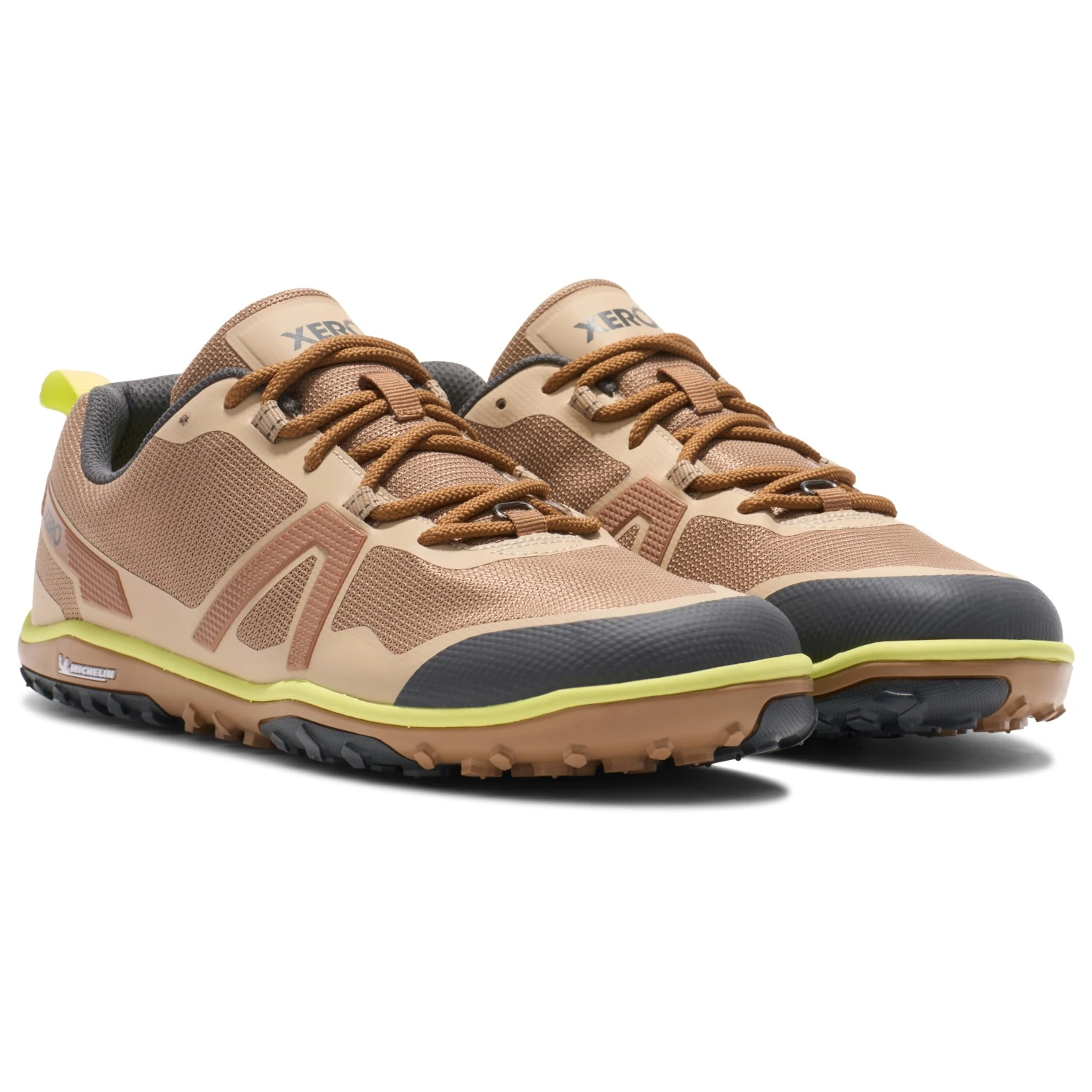
Xero Scrambler Low EV
US $149.99
13 to 15mm of stack protects the foot in early recovery, with the geometry still zero drop.
🇺🇸 Shopping from the US? Check prices on Amazon.com
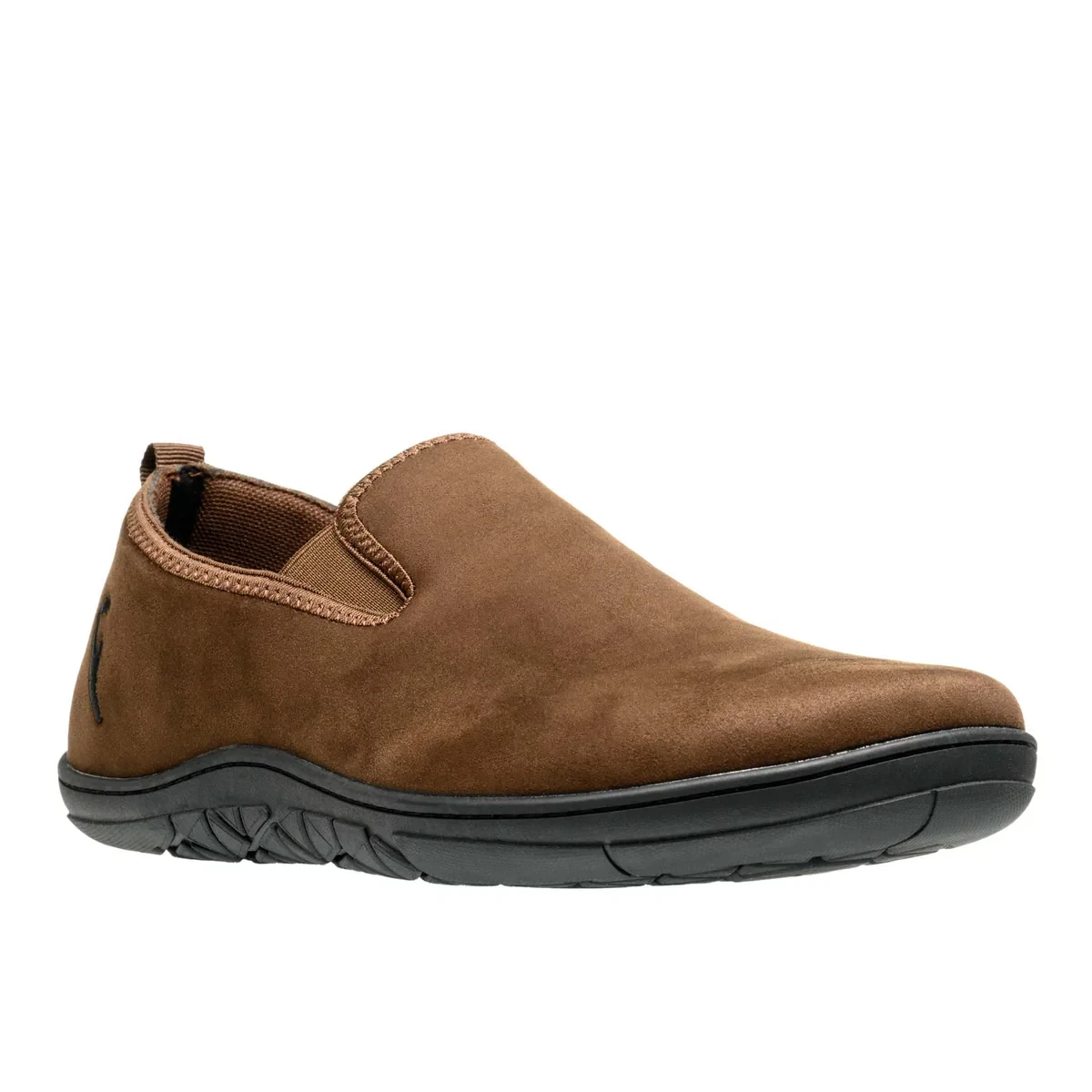
Freet Mooch
£37.50 (sale) ~ US $45
Beginner-friendly zero-drop daily shoe with enough cushion to start pain-free mileage during transition.
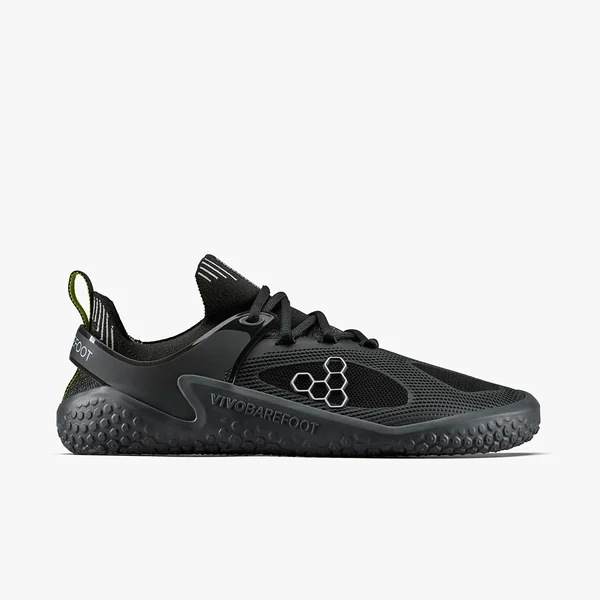
Vivobarefoot Motus Strength
US $220
Thin-soled trainer perfect for gym work and foot-core strengthening once symptoms are controlled.
Barefoot shoes can help, but only if you transition slowly. A 2024 randomised controlled trial found minimal-footwear walking beneficial for persistent plantar heel pain, whilst research published in Scientific Reports (Nature) found minimal footwear increases foot strength by about 57% over six months. Rush it and you will make things worse.
Can barefoot shoes actually help plantar fasciitis?
Short answer: Yes, with proper transition.
Plantar fasciitis is the thick band of tissue under your foot, the plantar fascia, inflamed from overuse and weak foot muscles. Arch support and cushioning do not fix that weakness. They work around it.
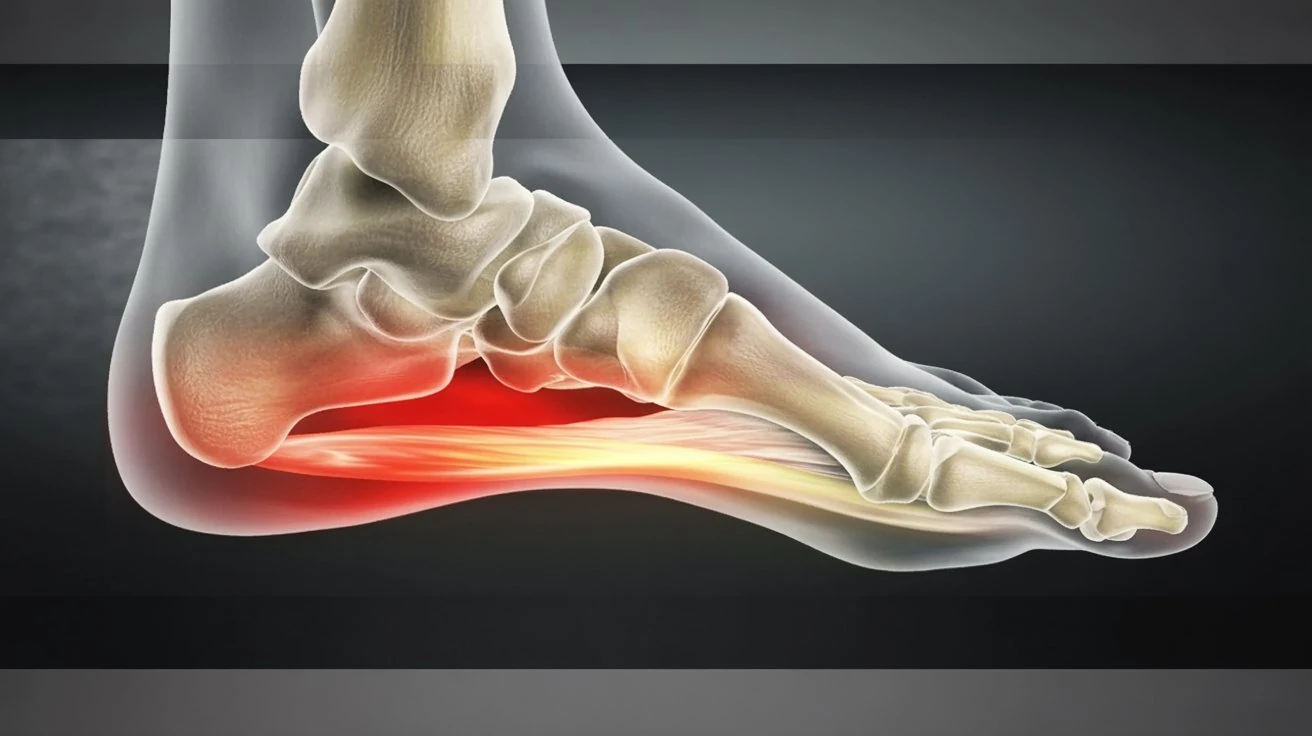
Barefoot shoes work differently. The wide toe box, zero drop, and flexible sole let your foot move naturally, strengthening the intrinsic foot muscles that support your arch. Research from Nature showed that daily minimal footwear use increased foot strength by 57% over six months. Stronger foot muscles mean better arch support from within.
4 key mechanisms
How barefoot shoes help plantar fasciitis
Science-backed approaches that target PF’s root causes.
Strengthens foot muscles
Studies show ~57% intrinsic foot strength gains in 6 months. Stronger muscles provide natural arch support and reduce fascia strain.
Zero drop reduces tension
A flat heel-to-toe profile prevents Achilles shortening from elevated heels, decreasing plantar fascia tension at the heel.
Wide toe box spreads load
Natural toe splay distributes forces across the entire forefoot instead of concentrating stress at the fascia’s origin.
Addresses the root cause
Rather than masking symptoms with support, barefoot shoes rebuild foot strength and mechanics to help prevent recurrence.
Evidence based. Supported by a 2024 scoping review and a Scientific Reports study showing benefits for plantar heel pain and ~57% foot-strength gains.
A 2024 randomised controlled trial found barefoot walking helpful for persistent plantar heel pain (PF’s clinical name). But transition errors matter. Runners who jumped into minimal shoes too quickly showed increased injury risk, including PF flare-ups. Progressive adaptation is key.
So barefoot shoes can rebuild foot strength and cut the odds of PF returning. The conditions are a gradual transition, a temporarily higher stack, and a removable insole while you recover.
What makes a barefoot shoe good for plantar fasciitis?
Not every barefoot shoe suits PF recovery. You want the ones that stay minimal in shape while still putting something between you and the pavement.
The five features that matter
Zero drop. A flat heel-to-toe removes the raised heel that shortens your Achilles and pulls the fascia tighter.
Wide toe box. PF hates a squeezed forefoot. Toes that can spread share the load instead of concentrating it.
Flexible sole. It has to bend at the ball of the foot. A rigid sole makes the fascia do that work instead.
A thicker stack, for now. Somewhere around 8 to 14mm during recovery. More underfoot means less immediate pain, and the geometry stays zero drop.
A removable insole. This is the one most people skip. Keep it in for the first 2 to 6 weeks, then take it out as symptoms settle. You get the pain relief early and the minimal mechanics later.
The best barefoot shoes for plantar fasciitis
Ordered by recovery phase. Start with the thicker stacks and work down as symptoms settle.
1. Xero Scrambler Low EV: best overall for PF recovery
Six months on coastal paths and city streets. This is my pick for anyone with PF who walks a lot.
- Price
- US $149.99
- Stack
- ~13 to 15 mm total (~12 mm base plus ~3 mm lugs), zero drop
- Weight
- 312g (men’s US 10.5 / UK 10)
- Insole
- Removable 2mm
- Best for
- Trail and mixed terrain, early to mid transition
Why it works for PF. Roughly 13 to 15 mm of Michelin outsole under the foot keeps early symptoms calmer, and the geometry stays zero drop while it does that. Start with the thin insole in for 3 to 4 weeks, then pull it out as pain subsides.
Good
- Comfortable for 8+ hour days
- Grips well on steep, rocky ground
- Roomier toe box than most hikers
- Break-in is about 2 weeks
Less good
- Runs slightly small, size up 0.5 if your feet are wide
- More boot-like than most people want for casual wear
- Slower to dry than a mesh upper
Shop the Xero Scrambler Low EV →
2. Xero DayLite Hiker Fusion: best for long walks
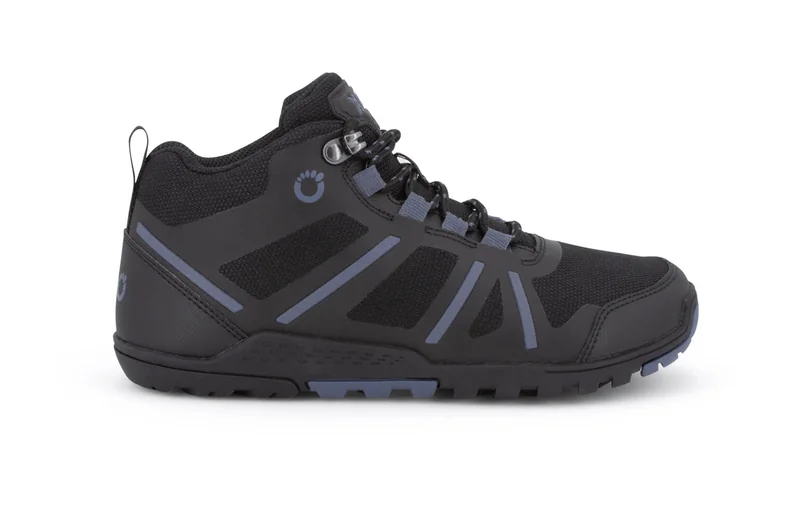
The one I reach for when the day involves a lot of miles and uneven ground.
- Price
- US $120 to $150
- Stack
- ~9 to 13.5 mm total including lugs, zero drop
- Weight
- 312g (men’s US 10.5 / UK 10)
- Insole
- Removable 2mm
- Best for
- Hiking, long walks
Why it works for PF. The FeelTrue sole and deep lugs give you protection without tilting the heel up. What separates it from the Scrambler is the boot collar, which steadies the ankle on rutted ground, so there is less of the sideways loading that aggravates a sore fascia. Run it with the 2mm insole for the first 3 to 4 weeks.
Good
- Ankle support on uneven terrain
- Wider toe box than a conventional hiking boot
- The removable insole lets you step the protection down gradually
Less good
- Runs slightly small, size up 0.5 if your feet are wide
- Too much boot for everyday wear
- Slow to dry once soaked
Shop the Xero DayLite Hiker Fusion →
3. Freet Mudee 2: best value waterproof
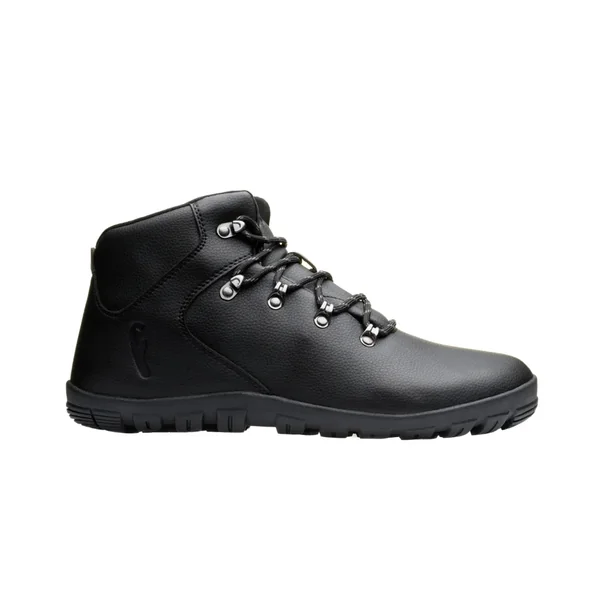
Cheaper than the Xeros and still a proper barefoot shoe. I went in sceptical. The thing that changed my mind is that Freet designed the insole around this problem rather than bolting on arch support.
- Price
- £115 / €135 / $145
- Stack
- ~8 mm base, ~11 mm with the Flexile insole in
- Weight
- 285g (men’s US 10.5 / UK 10)
- Insole
- Flexile insole included, removable
- Best for
- Daily wear, light hiking, wet weather
Why it works for PF. Freet markets the insole as “useful as an aid to recovery from plantar fasciitis”. The ~8 mm base is moderate protection on its own, and the Flexile insole adds about 3 mm more for early recovery. The toe box is genuinely wide, with no forefoot squeeze, which matters more here than the sole does.
Good
- The cheapest shoe here that is still a real barefoot shoe
- Insole designed with PF recovery in mind
- Water-resistant upper
- HillGrip outsole handles trails
Less good
- Function over looks
- Less durable than Xero’s Michelin soles
- Narrower in the heel than some rivals
4. Vivobarefoot Motus Strength: best for gym and rehab
A thin-soled trainer for the strength work, not for the walking. Wrong shoe at the wrong stage and it will set you back.
- Price
- US $220
- Stack
- ~3.5 mm total (~2 mm sole plus ~1.5 mm lugs)
- Weight
- 245g (men’s US 10.5 / UK 10)
- Insole
- Removable
- Best for
- Gym sessions, strength training, later-stage recovery
Why it works for PF. Once symptoms are controlled, at pain of 2/10 or below, strength work is what actually moves recovery along. The flat, stable platform and the grip suit deadlifts, squats and foot-core drills. Vivobarefoot also sells a structured PF rehab programme built around this kind of shoe.
Good
- Excellent for lifting
- Very grippy on gym floors
- Wide, stable base for balance work
- Minimal stack, so maximum feedback from the floor
Less good
- Too thin for early-stage PF, save it for later
- Not a running shoe
- No protection by design
- Expensive for a gym-only shoe
Shop the Vivobarefoot Motus Strength →
5. Xero HFS II: best daily transition shoe
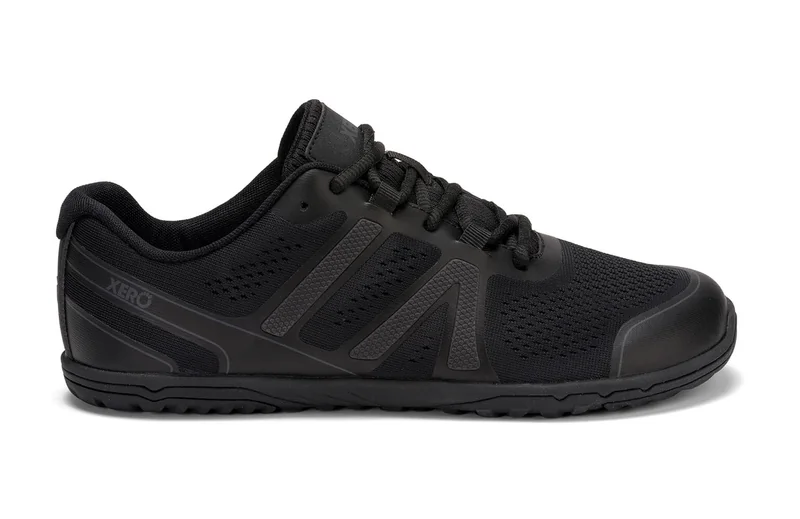
More cushioning than the original HFS, which makes it the daily driver for the middle of the transition.
- Price
- $120 / £110
- Stack
- ~8.5 to 9 mm total before the optional insole
- Weight
- 207g (men’s US 9.5 / UK 9)
- Insole
- Removable
- Best for
- Road walking, light jogging, everyday wear
Why it works for PF. It sits between protective and fully minimal, which is exactly the gap you need filled after 4 to 6 weeks in the higher-stack shoes. At 207g it does not tire your feet on a long day, so you can keep building tolerance instead of trading it away.
Good
- The natural step down from a 13 mm stack
- Light enough for all-day wear
- Road-friendly outsole
Less good
- Not enough underfoot for an acute flare-up
- Thin for rough trails
6. Vivobarefoot Magna FG: best for later-stage recovery
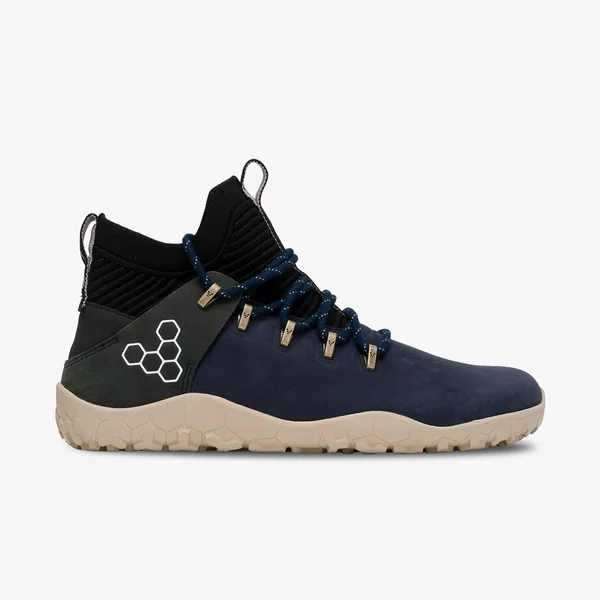
Once the symptoms are largely gone, the 3mm base and aggressive lugs handle varied ground well.
- Price
- US ~$200 to $220
- Stack
- 5.5 mm total (3 mm base plus 2.5 mm lugs)
- Weight
- 350g (men’s US 10.5 / UK 10)
- Insole
- Removable
- Best for
- Hiking, urban trails, later-stage PF
Why it works for PF. It does not, early on. This is the shoe you graduate to. At 5.5 mm you feel the ground properly, which is the point once the fascia can take it, and the lugs mean you are not limited to pavement.
Good
- Real ground feel with usable grip
- Handles trails as well as streets
Less good
- Far too thin for early or mid recovery
- Heavy for the amount of shoe you get
Shop Vivobarefoot outdoor boots (US) →
7. Be Lenka Ranger 2.0: best for winter and wide feet
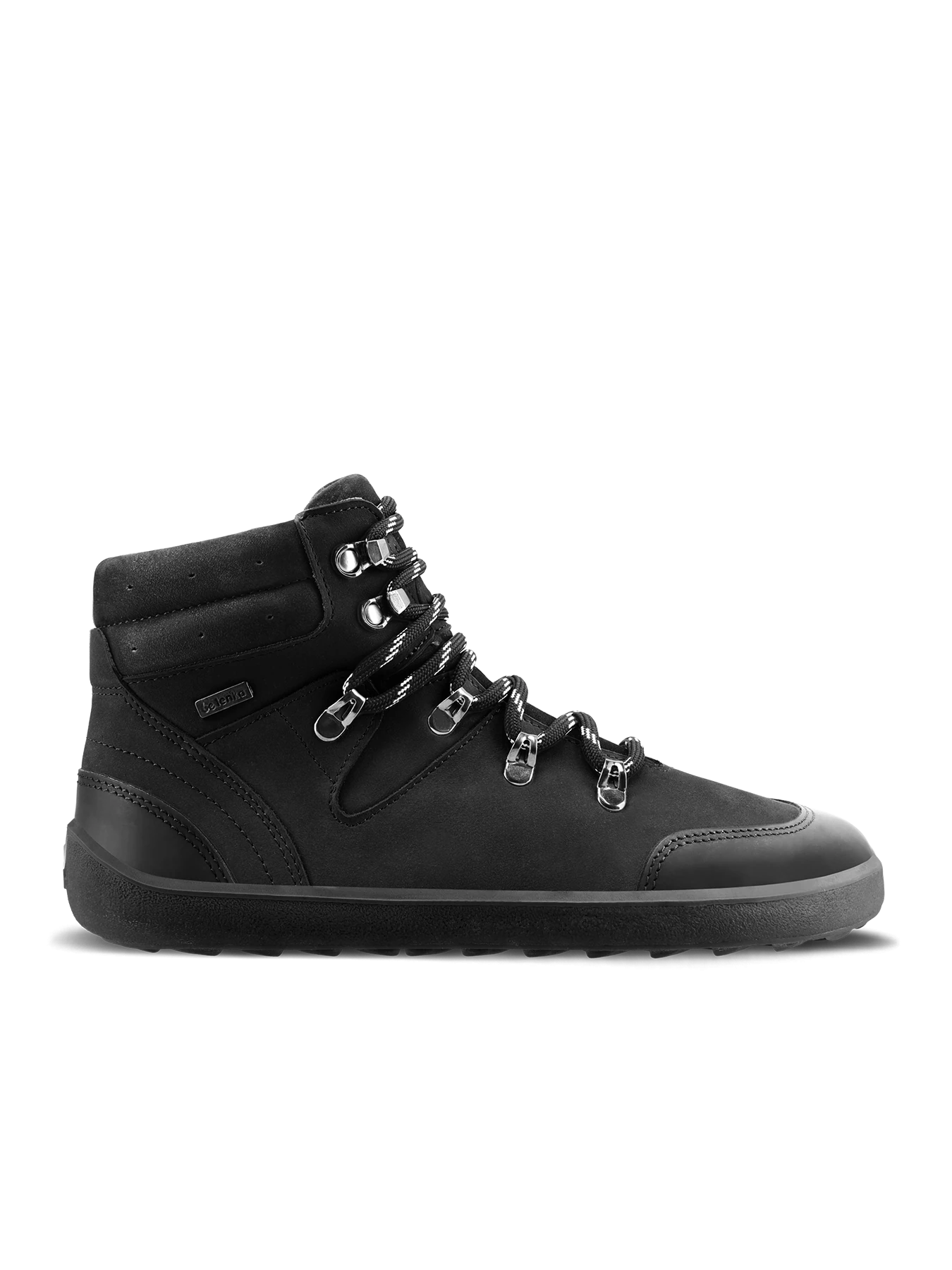
If your feet are genuinely wide and you need something warm, nothing else here comes close on room.
- Price
- €189 (about £165)
- Stack
- ~9 mm total (4 mm base plus 5 mm lugs)
- Weight
- 380g (men’s US 10.5 / UK 10)
- Insole
- Removable
- Best for
- Winter wear, wide feet, walking
Why it works for PF. The roomy last is the whole argument. PF hates forefoot compression, and a cold-weather boot is usually where that compression sneaks back in. ~9 mm of stack also puts it in transition territory rather than at the minimal end.
Good
- The widest last in this list
- Warm enough for British winters
- ~9 mm of stack suits mid-transition
Less good
- 380g is the heaviest shoe here
- A winter boot, so not a year-round shoe
Shop Be Lenka barefoot boots →
Compare all seven
| Model | Price | Stack Height | Best For | PF Stage | Rating | Buy |
|---|---|---|---|---|---|---|
| US $149.99 | ~13 to 15 mm (incl. lugs) | Trail, mixed terrain | Early | ⭐⭐⭐⭐⭐ | Buy | |
| US $120 to $150 | ~9 to 13.5 mm (incl. lugs) | Hiking, long walks | Early-Mid | ⭐⭐⭐⭐⭐ | Buy | |
| £115 / €135 / $145 | ~11 mm (with insole) | Daily, budget | Early-Mid | ⭐⭐⭐⭐ | Buy | |
| US $120 | ~8.5 to 9 mm | Road, daily | Mid | ⭐⭐⭐⭐ | Buy | |
| US $220 | ~3.5 mm | Gym, rehab | Mid-Late | ⭐⭐⭐⭐⭐ | Buy | |
| US $200 to $220 | 5.5mm total | Trails | Late | ⭐⭐⭐⭐ | Browse | |
| €189 (≈ £165) | ~9 mm (4 mm base + 5 mm lugs) | Winter, wide feet | Mid | ⭐⭐⭐⭐ | Browse |
How to transition to barefoot shoes with plantar fasciitis
This is not the standard transition advice. It is slower on purpose, because a sore fascia punishes impatience.
Recovery roadmap
The 4-phase recovery timeline
A structured, gradual path to build tissue tolerance.
Phase 1 · Week 1
Assessment
- 15-30 minutes/day
- Indoors only
- High-stack + insole
- Stop if pain worsens
GoalTolerance without aggravation
Phase 2 · Weeks 2-6
Building
- +10 to 15 min every 3 to 4 days
- Flat outdoor surfaces
- Alternate with regular shoes
- 2 to 4 hours by Week 6
GoalBuild duration
Phase 3 · Weeks 7-12
Progression
- 4 to 8 hours/day
- Remove insole
- Uneven terrain OK
- Mid-stack models
GoalPrimary footwear
Phase 4 · Month 4+
Adapted
- All-day wear
- Thinner models OK
- Light jogging
- No symptoms
GoalFull adaptation
Critical rule: Progress only if morning pain stays ≤2/10. If symptoms worsen, regress to previous week’s duration immediately.
Continue as planned
Hold the current duration
Return to the previous week
Judge every morning in the first week against this strip. The number decides the day, not your mood.
Phase 1AssessmentWeek 1
- Wear time
- 15-30 minutes daily
- Use
- Indoors only, flat surfaces
- Shoe setup
- High-stack model like the Xero Scrambler Low EV or DayLite Hiker Fusion, insole installed
- Progress when
- 30 minutes feels fine on three consecutive days with no increased morning pain
- Go back if
- Sharp heel pain, pain above 4/10 that persists beyond 10 minutes, or morning pain worsening
Mild foot fatigue (2-3/10), awareness of new muscles working and slight arch tiredness are normal at this stage.
Phase 2Gradual buildingWeeks 2-6
- Wear time
- Weeks 2-3: 30-60 minutes daily. Weeks 4-5: 60-120 minutes. Week 6: 2-4 hours
- Use
- Adds short outdoor walks on flat, predictable surfaces. Alternate with regular shoes on high-demand days
- Shoe setup
- Same high-stack models, insole still in
- Progress when
- You add 10-15 minutes every 3-4 days and next-morning pain stays at 2/10 or below
- Go back if
- Next-morning pain creeps above 2/10
Foot-core work at least three times a week: toe spreads 3 sets of 10, short-foot holds 3 sets of 10, calf raises 3 sets of 15, towel toe curls 3 sets of 10.
Vivobarefoot’s PF Rehab Programme provides structured guidance if you want more detailed protocols.
Phase 3ProgressionWeeks 7-12
- Wear time
- 4-8 hours daily
- Use
- Becomes your main shoe. Uneven terrain introduced carefully
- Shoe setup
- Insoles out (gradual feel adjustment); can move to mid-stack models like the Xero HFS II
- Progress when
- Morning pain holds at 1/10 or below
- Go back if
- Morning pain returns above 2/10 on two consecutive days, sharp pain during activity, or swelling or heat in the heel
Phase 4Advanced adaptationMonth 4+
- Wear time
- 6+ hours daily
- Use
- All-day wear, cambered surfaces and trails. Light jogging becomes an option, not a requirement
- Shoe setup
- Move to a thinner shoe, the Vivobarefoot Magna FG being the one here
- Progress when
- You are already 6+ hours daily with no morning pain for two straight weeks
- Go back if
- Any symptom return at all
Keep the foot-core exercises going twice a week, indefinitely. Strong foot muscles are what stops PF coming back.
Exercises that speed up recovery
Shoes alone will not fix plantar fasciitis. These follow the JOSPT clinical practice guidelines for plantar heel pain and pair with the phases above.
-
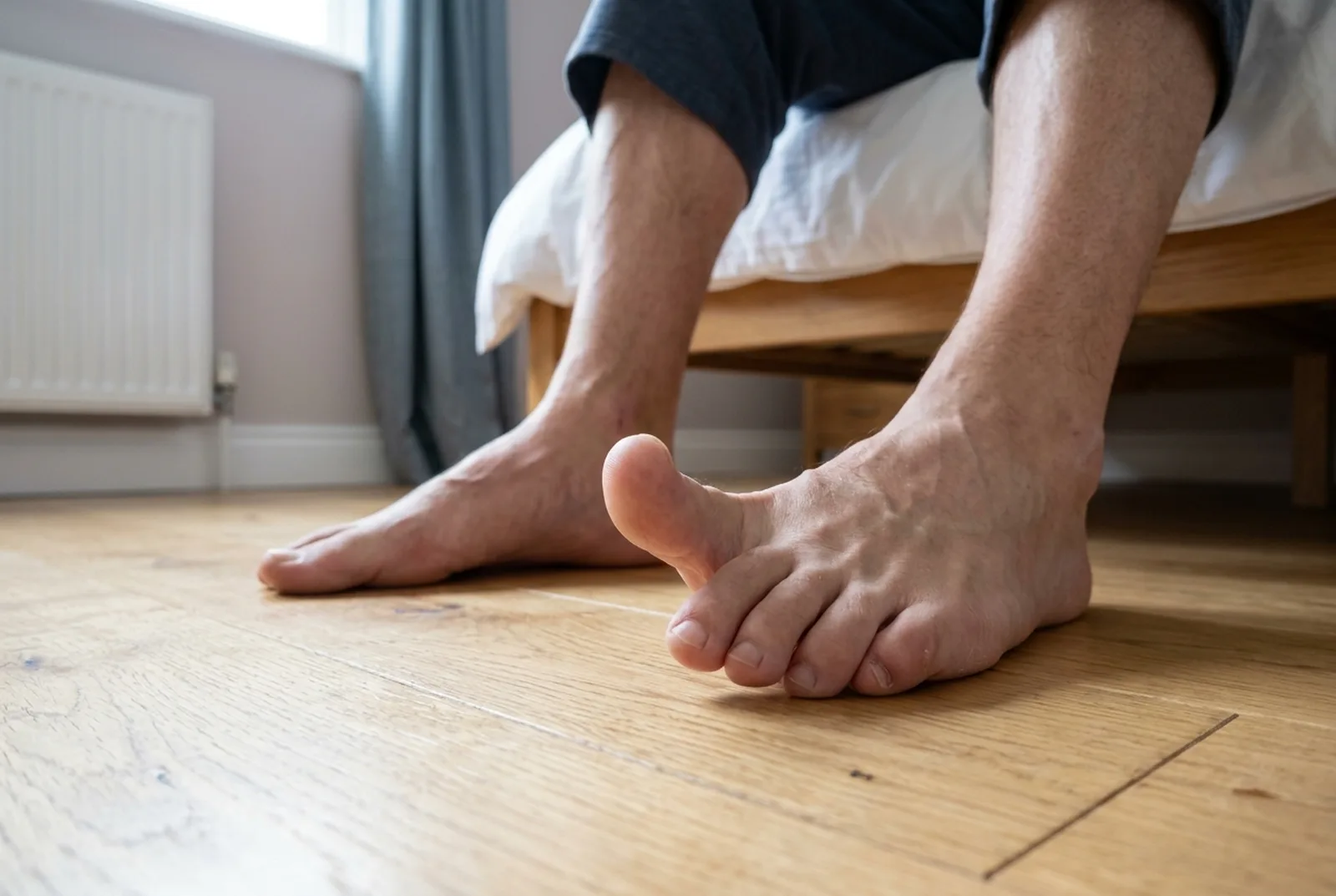
Toe yoga
3 × 10 each foot, morning and evening
Lift your big toe whilst keeping the others down, then reverse. Builds intrinsic muscle control.
-
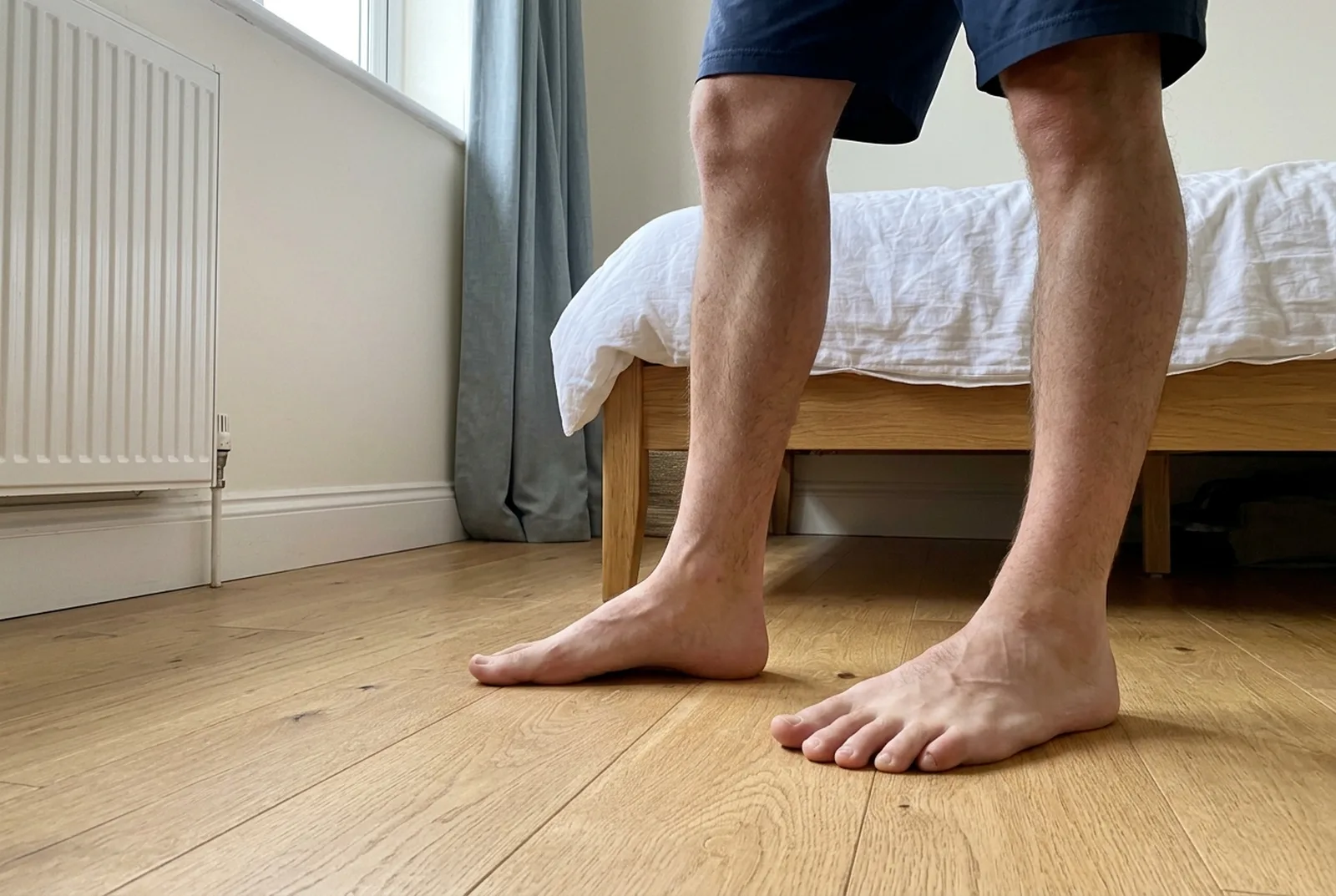
Short-foot exercise
Hold 5 sec, 10 reps, three times a day
Draw the ball of your foot toward your heel, like making a fist with your foot, without curling your toes or lifting your heel.
-

Calf stretches
3 × 30 sec each position, both legs
Tight calves increase fascia tension. Stretch with the back knee straight, then again with it bent, to hit both calf muscles.
-

Fascia massage
2-3 min before bed
Roll a tennis ball gently under your arch. Not during an acute flare-up, wait until pain is under 3/10.
Also, once symptoms allow: walk barefoot on grass, sand or textured surfaces for 5-10 minutes daily. It builds proprioception and works foot muscles in a way flat floors cannot.
Zero-drop shoes for plantar fasciitis
Zero drop means the sole is flat from heel to toe, with no raised heel shortening your Achilles and pulling the fascia tighter. It does not have to mean thin. During recovery a thicker stack, somewhere around 8 to 14mm, means less immediate pain while the geometry stays zero drop, which is why this list starts with the Scrambler Low EV at roughly 13 to 15mm. Work down to the thinner models as symptoms settle.
Questions people actually ask
Will barefoot shoes cure my plantar fasciitis?
Not directly. Barefoot shoes strengthen foot muscles that support your arch, addressing PF’s underlying cause (weak feet). But “cure” implies instant relief, which isn’t how this works. Expect 8-16 weeks of gradual improvement as your feet strengthen. Some people see faster results; others take longer. Barefoot shoes are long-term prevention more than acute treatment. See randomized controlled trial.
Should I wear barefoot shoes during a PF flare-up?
Generally no. If you’re in acute pain (>5/10), wait until inflammation subsides before starting barefoot shoes. Use traditional support, rest, ice, and anti-inflammatories initially. Once pain drops to 2-3/10, you can begin gradual transition with higher-stack minimal models.
How long until I see improvement?
Most people notice reduced morning pain within 4-8 weeks of consistent barefoot shoe use, but only if you follow the gradual transition protocol. Jump in too fast and you’ll worsen symptoms. Patience is non-negotiable here.
Do I need arch support insoles?
Not long-term. Short-term comfort during transition is fine (that’s why we recommend removable insoles). But the goal is to build active arch support via strong foot muscles, not passive support from insoles. Phase insoles out over weeks 4-8 as symptoms allow.
Can I run in barefoot shoes with plantar fasciitis?
Eventually, yes. But walking only for the first 8-12 weeks. Running loads your fascia significantly more than walking. Once you can walk 60+ minutes in barefoot shoes with zero next-day pain, you might introduce very short running intervals (30 seconds run, 90 seconds walk). But honestly? Most PF sufferers should focus on walking and strength work first. Running can wait.
What if my symptoms worsen?
Regress immediately. Return to previous week’s duration and maintain for 7-10 days. If symptoms persist despite backing off, consult your podiatrist. There may be other issues contributing (heel spurs, nerve impingement, etc.). Worsening symptoms mean you’ve progressed too fast, not that barefoot shoes are wrong for you.
Which shoe is best for beginners?
The Xero Scrambler Low EV or DayLite Hiker Fusion. Both put 9 mm or more under the foot whilst maintaining zero-drop biomechanics. If budget is tight, consider the Freet Mooch (often on sale) or the Freet Mudee 2 (£115 / €135 / $145) for similar protection.
Can I wear them all day immediately?
No. Start with 15-30 minutes daily and build gradually. Your feet have been in supportive shoes potentially for decades. They need time to adapt. All-day wear typically becomes appropriate around week 8-10 for most people.
Do I wear socks with barefoot shoes?
Personal preference. I wear thin Merino wool socks year-round for warmth and moisture management. Some people prefer no socks for maximum ground feel. For PF, it doesn’t matter. Just ensure your socks aren’t tight around the arch (no compression socks during transition).
The bottom line
Barefoot shoes can genuinely help plantar fasciitis by rebuilding the foot strength that prevents it. But they are not magic. The transition takes weeks, the shoe has to match your stage, and the exercises matter as much as the shoe.
If you want one answer
Start with the Xero Scrambler Low EV.
Roughly 13 to 15mm underfoot with the removable insole in. Move to something thinner once morning pain sits at 1/10 or below.
- Start with 15-30 minutes a day, indoors
- Keep the insole in for the first few weeks
- If morning pain rises, drop back to the previous week’s duration
Recovery takes months either way. The difference with barefoot shoes is that you end up with stronger feet rather than a shoe that props up weak ones. That is managing symptoms versus not needing to.
- Are Barefoot Shoes Good for Plantar Fasciitis? (medical research overview)
- Xero Shoes and Plantar Fasciitis (brand-specific guide)
- How to Transition to Barefoot Shoes (general transition protocol)
- Best Barefoot Shoes UK (budget options)
- Barefoot Shoes for Hiking (trail-specific recommendations)